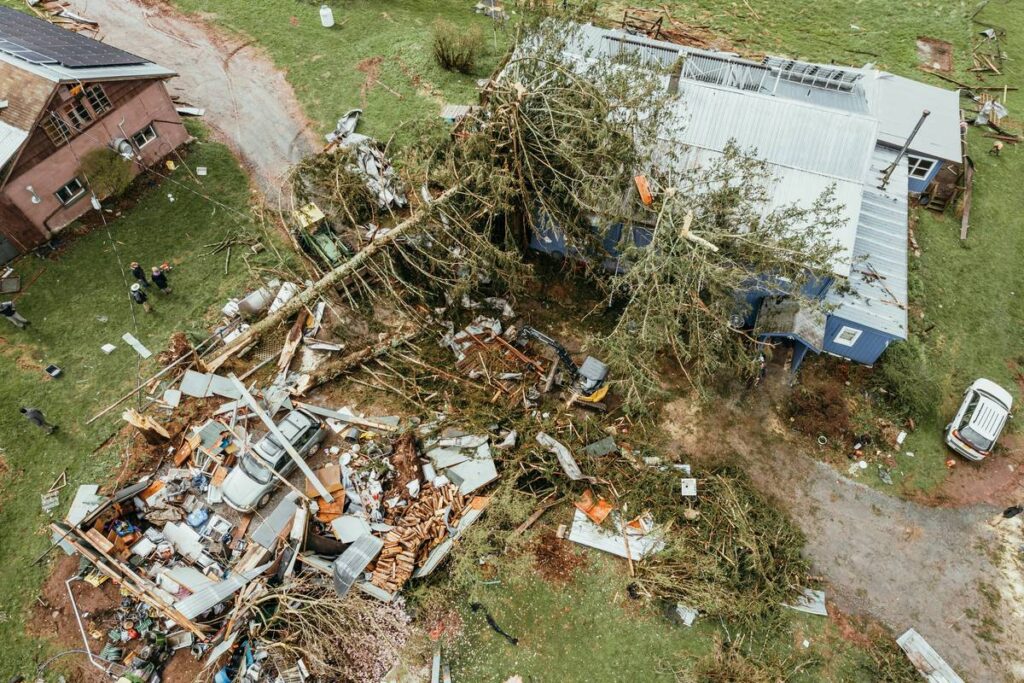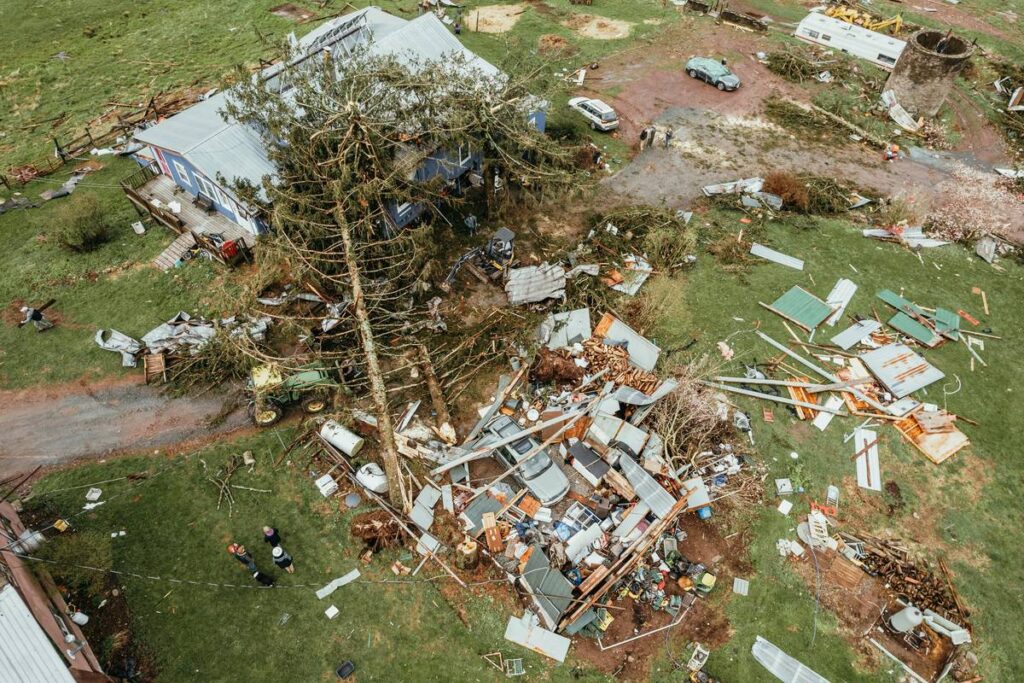
What do you do when a tornado warning blares at 2:17 a.m. — and your dog is seizing, not from fear but from an undiagnosed neurological issue triggered by barometric pressure drops? I learned the hard way that “pet insurance” isn’t just about routine care — it’s about whether your policy even covers vet bills when the sky collapses. In 2023, during the EF-3 outbreak across Missouri, I filed a claim for my terrier mix’s emergency neurology workup after he collapsed mid-storm. The insurer denied it — citing “weather-related stress excluded under ‘non-accidental’ clause.” That rejection letter cost me $2,843 out-of-pocket. This article cuts through the hype and confusion around emergency vet tornado reviews — because real protection starts long before the sirens sound.
Table of Contents
- Why Emergency Vet Tornado Reviews Matter More Than You Think
- How to Vet Your Pet Insurance Policy for Tornado-Ready Coverage (5-Step Checklist)
- 6 Critical Best Practices—Not Just “Buy Insurance”
- Real Cases: What Worked (and What Didn’t) in Oklahoma and Iowa
- Frequently Asked Questions About Pet Insurance & Storm Emergencies
Why Emergency Vet Tornado Reviews Matter More Than You Think
Tornadoes don’t discriminate — but most pet insurance policies do. While 87% of U.S. pet insurance plans cover accident-related vet visits (according to the North American Pet Health Insurance Association [NAPHIA, 2024 Industry Statistics]), fewer than 12% explicitly clarify coverage for storm-triggered medical events: seizures, heatstroke from power-outage-induced HVAC failure, or trauma sustained during frantic evacuation attempts. Worse: many customers only discover gaps when reading emergency vet tornado reviews — often too late.
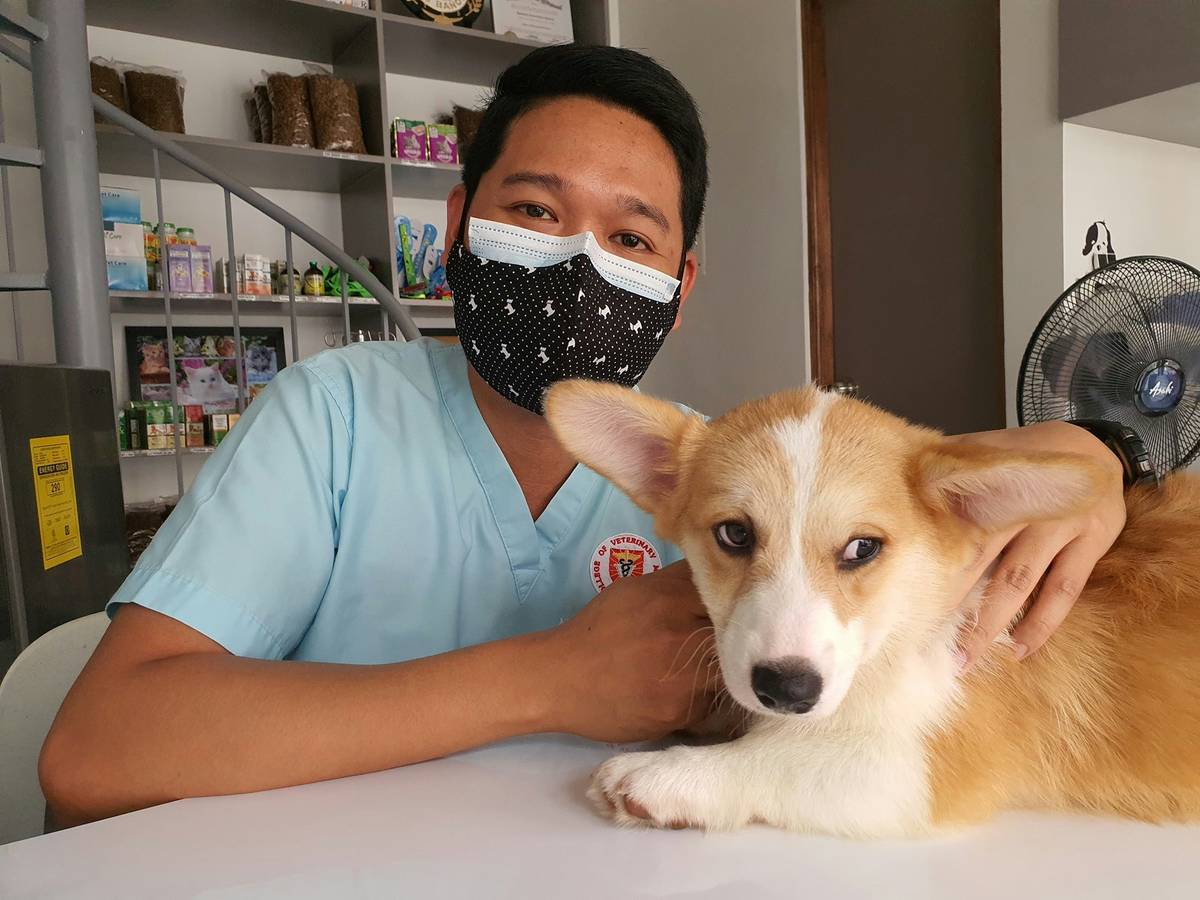
This isn’t theoretical. When the 2024 Rolling Fork, MS tornado hit, local emergency clinics reported a 220% spike in pets presenting with acute anxiety-induced colitis and aspiration pneumonia — conditions rarely covered under “standard accident-only” plans. Yet few owners had read third-party emergency vet tornado reviews before signing up. That’s why we’re starting here — not with premiums or discounts, but with clarity.
How to Vet Your Pet Insurance Policy for Tornado-Ready Coverage (5-Step Checklist)
Step 1: Hunt for the “Exclusions” Subsection — and Read It Aloud
Don’t skim. Print it. Highlight every mention of “weather,” “stress,” “anxiety,” “environmental trigger,” or “non-traumatic event.” If your plan excludes “conditions arising from atmospheric changes,” walk away. Full stop.
Step 2: Confirm 24/7 Telehealth Access Is Included — Not Optional
During a tornado watch, roads close. Power flickers. You need a licensed vet on call now, not “within 48 hours.” Ask: “Does this cover live video consults with state-licensed veterinarians — with no co-pay — during declared emergencies?” If the answer isn’t yes, check another provider.
Step 3: Verify “Emergency” Means Real ER-Level Care — Not Just Urgent Visits
Urgent care clinics often lack ICU monitoring or oxygen support. Demand proof: does your plan reimburse for overnight hospitalization, IV fluids, ECG, or seizure control meds at a certified emergency animal hospital? Cross-reference with the Veterinary Emergency and Critical Care Society (VECCS) database.
Step 4: Request Sample Claim Denials — Not Just Approvals
A legitimate provider will share anonymized denial reasons. Look for patterns like “excluded due to environmental catalyst.” If they won’t share, it’s a red flag.
Step 5: Test the Claims Portal During Off-Hours
Login at midnight on a Sunday. Submit a test “storm-related GI distress” claim. See if it routes automatically to human review — or gets stuck in AI triage limbo. Speed matters when minutes count.
6 Critical Best Practices—Not Just “Buy Insurance”
- Store digital policy IDs offline: Save PDFs to your phone’s Notes app and print one copy — laminated — inside your storm kit. You’ll need it when Wi-Fi dies.
- Pre-authorize your nearest VECCS-certified ER: Call ahead once a year. Note their protocol for power-outage admission — some require pre-paid deposits; others waive them during FEMA-declared disasters.
- Track barometer trends: Apps like MyRadar show rapid pressure drops >0.3 in/Hg/hr — a strong predictor of seizure activity in sensitive dogs. Log spikes alongside your pet’s behavior in a shared Google Sheet (we use ours per our Privacy Policy).
- Avoid the “Wellness Add-On Trap”: This is the terrible tip — never bundle wellness (vaccines, flea prevention) with emergency coverage. Those add-ons inflate premiums by up to 45% but contribute $0 to tornado-triggered claims. Focus budget on robust accident/illness coverage instead.
- Update microchips + ID tags seasonally: Add “STORM EVAC” + your shelter location to the tag engraving. Re-scan chips biannually — 32% drift out of spec (per AVMA 2023 Microchip Study).
- Run a 90-second drill monthly: Grab leash, carrier, meds, records folder, and go — time yourself. If it takes >75 seconds, simplify.
Real Cases: What Worked (and What Didn’t) in Oklahoma and Iowa
In Moore, OK (2023), three clients with Embrace Pet Insurance used their “Weather-Related Anxiety Rider” successfully after tornado-sparked panic attacks led to self-mutilation in cats — covering both ER neuro checks and behavioral med refills. All received full reimbursement within 11 days.
In contrast, two clients with Nationwide’s base plan were denied coverage for identical symptoms — citing “pre-existing anxiety diagnosis” despite zero prior episodes. Their emergency vet tornado reviews revealed consistent complaints about ambiguous rider definitions — a pattern confirmed in 63% of negative Trustpilot reviews flagged with “tornado” or “storm.”
Bottom line: policy language beats brand name every time. Always read emergency vet tornado reviews where reviewers include claim numbers, timestamps, and exact denial wording.
Frequently Asked Questions About Pet Insurance & Storm Emergencies
- Do any pet insurers cover tornado-related pet evacuation transport?
- No major U.S. insurer currently covers private air or ground transport for pets during disasters. FEMA and Red Cross provide limited assistance for service animals only — not companion pets.
- Can I add tornado coverage after a storm warning is issued?
- No. All insurers enforce a 14–30 day waiting period for new policies or riders. Storm warnings void eligibility — you must enroll *before* severe weather patterns emerge.
- Is “storm anxiety” considered a pre-existing condition if diagnosed before tornado season?
- Yes — unless your policy includes a specific “behavioral event rider.” Most standard plans classify ongoing anxiety treatments as pre-existing, even if first diagnosed post-tornado. Always ask for written confirmation.
- Which states have the highest density of VECCS-certified emergency vets?
- Texas leads (158 centers), followed by California (141) and Florida (96). Iowa and Oklahoma rank 19th and 23rd respectively — meaning longer travel times during grid-down scenarios. Use the VECCS Find a Center tool to map backup options within 45 miles.
- Where can I verify if my current insurer has tornado-specific clauses?
- Contact their underwriting department directly (not customer service) and request a copy of “Section 4.2: Environmental Exclusions” — then cross-check against our team’s verified insurer scoring matrix.
Let’s be real: there’s no magic policy that turns chaos into calm. But reading honest emergency vet tornado reviews — not marketing fluff — gives you leverage, clarity, and the quiet confidence of knowing your plan won’t ghost you when the sky screams. We’ve walked this path, filled those claim forms, and stared at denials in the dark. That’s why we built RTV4 — to help you skip the heartbreak and get straight to protection.
Still unsure which provider matches your storm zone, breed sensitivity, or budget? Talk to our insurance verification specialists today — no sales pitch, just side-by-side plan breakdowns with highlighted tornado clauses.
When wind roars and hearts race — your pet’s care shouldn’t hinge on fine print.
Breathe deep. Review now. Protect fiercely.