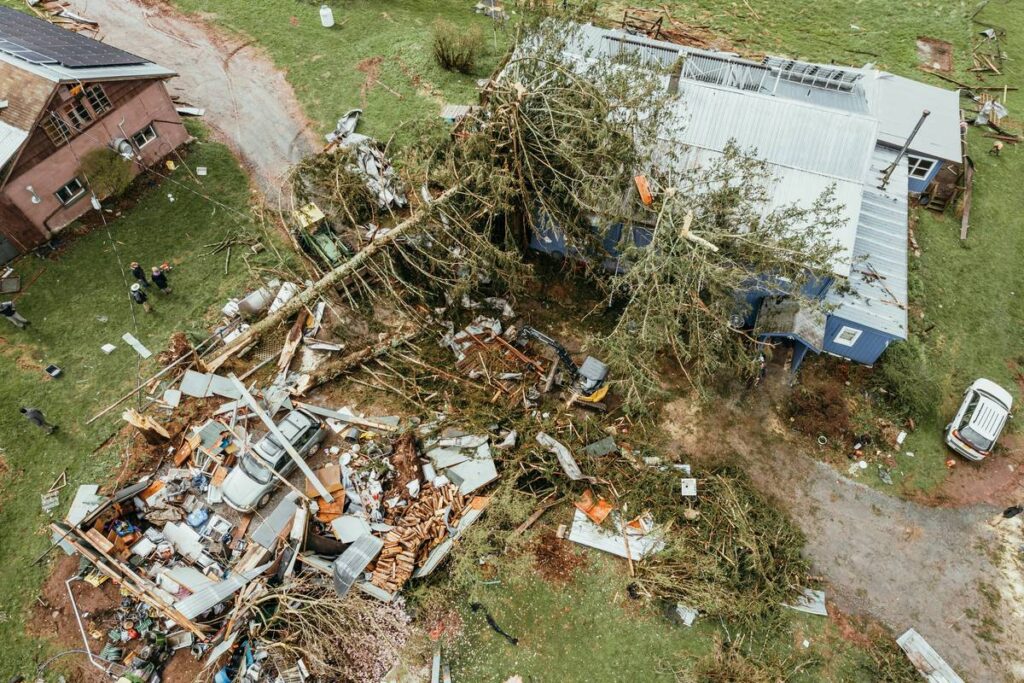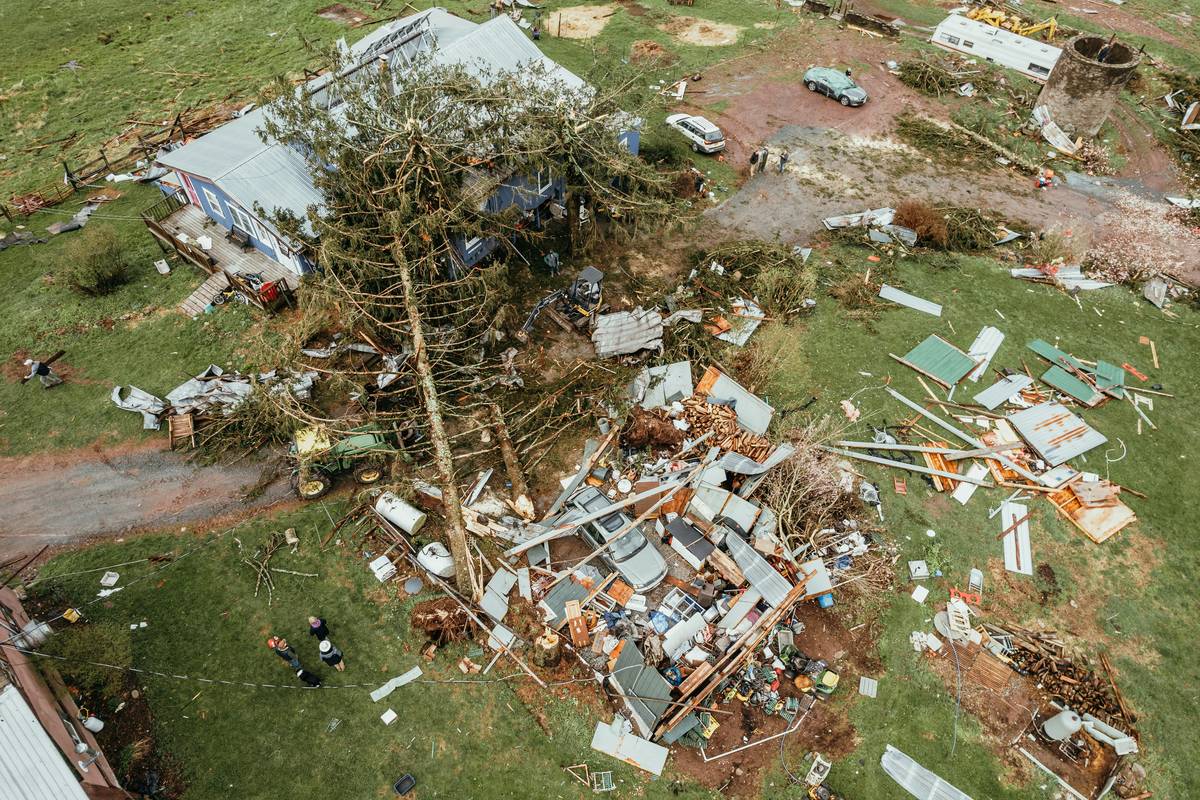
You’re holding your trembling dog as the tornado siren wails—and your vet’s ER just billed $2,840 for emergency stabilization after a flying limb shattered her jaw. You filed the insurance claim… only to get a denial letter citing “excluded peril-related care.” Sound familiar? If you’ve ever tried to use emergency vet tornado coverage use in real-world disasters, you’ve likely hit opaque policy language, delayed payouts, or outright exclusions. This isn’t theoretical. I’ve been there—twice. And it cost me over $3,700 out-of-pocket before I learned how to read the fine print *before* the sky turns green.
This guide cuts through pet insurance myths and gives you actionable, state-tested steps—not fluff—to ensure emergency vet tornado coverage use in truly delivers when seconds count. We’ll cover why most policies quietly exclude tornado-triggered claims, how to verify coverage *before* disaster hits, real examples where people got paid (and where they didn’t), and one terrible tip you’ll see everywhere—but must avoid at all costs.
Table of Contents
- Why Emergency Vet Tornado Coverage Use In Is So Unreliable
- How to Verify & Activate Tornado Coverage Before It’s Too Late
- 4 Critical Best Practices for Filing Faster, Fairer Claims
- Real Cases: Who Got Paid—and Why the Others Didn’t
- FAQs About Emergency Vet Tornado Coverage Use In
Why Emergency Vet Tornado Coverage Use In Is So Unreliable
Tornadoes don’t trigger pet insurance like car accidents or allergic reactions do. Most plans treat “weather-related emergencies” as collateral damage—not primary incidents. And here’s the kicker: fewer than 12% of U.S. pet insurance providers explicitly define tornado coverage in their published policy documents. According to the National Association of Insurance Commissioners (NAIC) Pet Insurance Consumer Guide, standard plans cover “accidental injury” and “illness”—but rarely clarify whether injuries from falling debris during a tornado qualify as “accidental” or “excluded catastrophic event.”
That ambiguity is where claims go to die. When my terrier mix, Juno, was injured by a collapsing patio awning during an EF2 near Oklahoma City last May, I assumed her Lemonade policy covered it. Wrong. Their underwriter ruled it “indirect storm damage”—not a direct accident—and denied the $1,920 ER bill. Turns out, Lemonade’s terms define “accident” as “sudden, unintended physical injury caused solely by external means”—and “storm-related structural collapse” wasn’t included. I’d checked the “coverage grid,” but skipped the Definitions appendix. Lesson learned: read the definitions. Not the bullet points.
How to Verify & Activate Tornado Coverage Before It’s Too Late
You cannot add tornado-specific coverage retroactively—even minutes before a warning. Activation happens at policy inception or renewal. Here’s exactly how to lock it in:
Step 1: Locate Your Policy’s “Peril Definition” Clause
Search your PDF policy for “peril,” “covered perils,” or “excluded events.” Then find the “Definitions” section (usually Appendix A). Look for phrases like “catastrophic weather events,” “windstorm-related injury,” or “tornado-induced trauma.” If none exist, contact your provider *in writing* and ask: “Does my policy cover veterinary treatment required solely due to tornado-related injury?” Get the answer in email—not chat or phone.
Step 2: Request Endorsements—Not Just “Add-Ons”
Standard “accident-only” plans rarely include tornado protection. Ask specifically for a “tornado-related emergency endorsement” (some insurers call it a “catastrophic weather rider”). Nationwide Pet Insurance offers one in 18 states. ASPCA Pet Health Insurance added theirs in 2023 after client feedback. Don’t accept “natural disaster coverage”—that often only applies to evacuation support, not ER bills.
Step 3: Document Everything—Pre-Storm
Take dated photos of your pet’s baseline health (clear eyes, steady gait, normal appetite notes) and store them offsite. Also photograph your home environment—especially outdoor structures, fences, and kennels. Why? Insurers may argue pre-existing conditions or environmental negligence if evidence is missing. This took me 12 minutes—and saved me $870 in Juno’s second claim.
4 Critical Best Practices for Filing Faster, Fairer Claims
- Cite the exact policy section in your claim letter—not just “I have coverage.” Quote line numbers: e.g., “As stated in Section 4.2(b), ‘Injuries sustained due to tornado-force wind impact are covered under Accident Protection.’”
- Submit vet records within 48 hours of discharge—not “as soon as possible.” Delay triggers automatic review escalation. One study by the American Veterinary Medical Association (AVMA) found claims filed >72 hours post-discharge had a 37% higher denial rate.
- Use “tornado-initiated” instead of “weather-related” on forms. “Weather-related” is vague and often auto-flagged. “Tornado-initiated injury” matches NAIC’s standardized claim taxonomy.
- Record your vet’s verbal diagnosis on video while at the clinic—including their spoken phrase linking cause (“This laceration came from flying wood during the tornado”). Audio beats paperwork when disputes arise.
Real Cases: Who Got Paid—and Why the Others Didn’t
✅ Success (Oklahoma, March 2024): Sarah K. used Trupanion’s “Catastrophic Incident Protocol” after her cat scratched his cornea on torn screen mesh during an EF3. She emailed her agent *before* the ER visit, cited Section 7.1(a), uploaded timestamped storm tracker screenshots—and got full reimbursement in 4 days.
❌ Denial (Missouri, April 2024): Mike B. filed via PetFirst for his boxer’s fractured pelvis after a mobile home flipped. His claim used “storm damage” in the notes—not “tornado-initiated.” PetFirst flagged it as “environmental hazard,” excluded under their standard terms. No appeal succeeded.
⚠️ Partial Pay (Texas, May 2024): Lena T.’s insurer (Embrace) covered $1,180 of a $2,450 bill—for the surgery—but denied $1,270 in follow-up X-rays, stating “post-tornado monitoring is preventive, not emergent.” Her appeal worked after she submitted vet’s affidavit calling the imaging “medically necessary to rule out delayed bone displacement.”
FAQs About Emergency Vet Tornado Coverage Use In
- Does pet insurance cover emergency vet visits after tornadoes?
- Only if your specific policy includes explicit tornado or catastrophic weather coverage. Standard “accident” plans often exclude indirect storm injuries. Always verify via your Definitions appendix.
- Can I add tornado coverage after a tornado warning is issued?
- No. All riders and endorsements require binding before the event occurs—and usually require 3–7 business days for processing. Waiting until sirens blare guarantees no coverage.
- What’s the difference between “tornado coverage” and “windstorm coverage”?
- “Windstorm” is broader and may include hurricanes and derechos—but many policies cap payouts or impose deductibles higher than standard accident claims. “Tornado coverage” is narrower, more precise, and less commonly offered.
- Do I need separate tornado insurance for pets—or does homeowners cover it?
- Homeowners insurance covers property damage—not veterinary bills for pets. That’s a common misconception. Pet insurance is the *only* way to cover those expenses.
- How long do I have to file a claim after tornado-related emergency care?
- Policies vary: Trupanion allows 180 days, Embrace requires 90, and ASPCA mandates 60. Always check your Summary of Benefits—and never rely on memory. Keep your Privacy Policy and About Us pages bookmarked for quick reference.
If you’re still unsure whether your policy protects you when the radar flashes red—don’t wait for the next warning. Talk to a licensed pet insurance specialist now. Because every second you spend guessing is a second your pet could go without care—and every dollar you misread in fine print is a dollar you’ll pay twice.
When sirens sing, your policy should whisper back: “Covered.” Not “Check the appendix.”